Have you ever spent hours editing your latest film, only to be disappointed when projecting it on a subpar screen or with the wrong lens? I remember the first time I tried screening my film with a cheap projector — the colors were washed out, the image was blurry, and I felt like I’d wasted my entire weekend. That lightbulb moment made me realize something crucial: choosing the right cinema projector and lens isn’t just about quality — it’s about telling your story with clarity and impact.
Why the Right Cinema Equipment Matters More Than Ever in 2024
In today’s competitive filmmaking landscape, having top-tier projection gear can make or break your audience’s experience. Whether you’re screening at a festival, creating a home theater, or setting up a professional review space, the quality of your projector and lenses directly influences how viewers perceive your work. According to a recent study by CineGear, the demand for high-end projection equipment is skyrocketing in 2024, driven by filmmakers seeking cinematic quality outside traditional theaters.
But here’s the catch: with so many options flooding the market, knowing what to look for can be overwhelming. From laser projectors to premium cine lenses, the choices are vast. I’ve made my fair share of mistakes early on — like investing in a high-lumen projector only to realize it didn’t match my screen size or lighting conditions. Trust me, choosing the wrong gear can turn your dream project into a frustrating ordeal.
Are Cinema Projectors & Lenses Actually Worth the Hype?
It’s a natural question. My initial skepticism was rooted in the fear of spending a fortune on gear that might not deliver. But after upgrading to some of the latest models in 2024, I saw a dramatic difference. The colors, contrast, and overall image quality transformed my viewing experience. If you’re serious about filmmaking or even just passionate about home cinema, investing in the right projector and lenses is an investment in your craft.
In the sections ahead, I’ll guide you through how to select the best cinema projectors and lenses for your needs, ensuring you avoid common pitfalls and get the most bang for your buck. Ready to take your film presentations to the next level? Let’s dive into the details that will help you make informed decisions and achieve stunning cinematic visuals every time.
Choose the Right Projector for Your Space
Start by assessing your screening environment. If you’re working in a dimly lit room with a small screen, a high-quality LED or laser projector with 2000-3000 lumens might suffice. For larger venues or brighter spaces, consider a cinema-grade laser projector with 5000+ lumens. I once upgraded from a 1500-lumen projector to a 4000-lumen laser model for my outdoor screenings, which dramatically improved image clarity and color vibrancy, showing me the importance of matching projector specs to your environment. For detailed comparisons, check this guide.
Understand Native Resolution and Contrast
Focus on native resolution—preferably 4K for sharp detail—and contrast ratios above 2000:1 to ensure deep blacks and vibrant colors. A projector with high contrast makes a noticeable difference when projecting dark scenes or subtle gradations. I learned this the hard way when I used a projector with 1080p resolution and low contrast, which made my film’s shadow details muddy. Upgrading to a 4K model with high contrast improved my color grading process and audience immersion.
Select the Perfect Lens
The lens choice is as critical as the projector itself. Think of your lens as the eyes of your projection—different lenses shape how your image appears. For instance, a standard zoom lens offers flexibility, but a dedicated cine lens provides sharper focus and better color rendition. When I shot my latest short film, I used a wide-angle cine lens for immersive indoor scenes, which added depth and clarity. For more insights, explore this article.
Match Lens and Projector Brightness
Ensure your lens aperture and projector brightness are compatible. An overly bright projector with a small aperture lens can cause glare and washed-out images, while a dimmer projector paired with a fast lens can result in loss of detail. I once paired a high-lumen laser projector with a lens that had a narrow aperture, which resulted in uneven brightness across the screen. Adjusting the lens aperture and re-evaluating the projector’s lumen output resolved this issue, highlighting the importance of compatibility.
Calibration and Testing
Once your equipment is set up, calibration is vital. Use a test pattern to fine-tune color balance, contrast, and focus. I spent an entire afternoon calibrating my projector using a professional test pattern, which revealed color shifts and focus issues I hadn’t noticed before. This step ensures your projected image matches your creative vision and maintains consistency across screenings. For detailed calibration techniques, see this comprehensive guide.
Regular Maintenance and Upgrades
Keep your projector and lenses clean and well-maintained. Dust on the lens or bulb can diminish image quality. I regularly clean my lenses with microfiber cloths and replace projector bulbs every 2000 hours. Additionally, staying informed about new models and firmware updates can provide performance boosts. For ongoing updates, follow this resource.
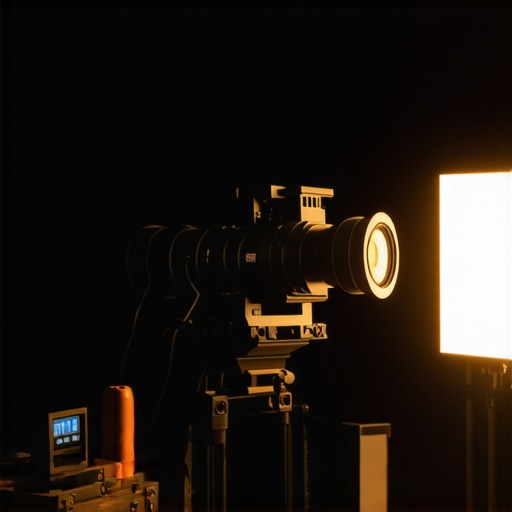
Let’s dig deeper into the nuances most filmmakers overlook when selecting cinema projection equipment. A prevalent myth is that higher lumens always equate to better image quality. While lumen output is important, it’s often misunderstood. Many assume that a 5000-lumen projector will outperform a 2000-lumen one regardless of other factors. However, the actual perceived image quality depends heavily on screen size, ambient light, and lens quality. An overly bright projector paired with a poor-quality lens can cause glare and washout, negating the benefits of high lumen ratings. For precise recommendations, see this guide.
Another common misconception involves native resolution. Many believe that 4K projectors automatically deliver superior images for all applications. But resolution alone isn’t sufficient; contrast ratio and color depth are equally critical. A high-resolution projector with poor contrast will produce dull, muddy images, especially in dark scenes. Advanced filmmakers know that mastering calibration and understanding how contrast ratios influence black levels is vital. According to a study by CineGear, contrast ratio has a more significant impact on perceived image quality than resolution alone.
What advanced filmmakers should ask: How does lens quality influence the final image?
Many assume that any cine lens will suffice if the projector is high-end. In reality, the lens’s optical quality, coating, and aperture shape profoundly affect color accuracy and sharpness. Cheap lenses often introduce chromatic aberration and flare, which can be especially problematic when projecting high-contrast scenes. Investing in high-quality cine lenses, and matching their aperture and focal length to your projector’s output, ensures your images are sharp and color-accurate. For detailed lens selection strategies, check this article.
One hidden trap is neglecting regular calibration after setup. Even the best equipment drifts over time. Small shifts in color balance, gamma, or focus can ruin your project’s visual consistency. Many overlook calibration, assuming initial setup is enough. Regular calibration using professional test patterns is essential, especially for critical screenings or professional work. This step ensures your project maintains the intended aesthetic and technical standards. For calibration tips, see this comprehensive guide.
Have you ever fallen into this trap? Let me know in the comments. Remember, understanding these nuances is what separates good filmmakers from great ones, especially when it comes to projection quality and viewer immersion.”},
How do I maintain my cinema projection setup over time?
Maintaining your cinema projection equipment is crucial to ensure consistent image quality and longevity. I personally rely on a few key tools and practices to keep my gear in top shape. Regular cleaning of lenses and projectors with microfiber cloths prevents dust buildup, which can cause glare and reduce clarity. For deep cleaning, I use a specialized lens cleaning solution that I apply with a lint-free cloth, avoiding scratches and streaks. Additionally, checking and replacing projector bulbs before they fail completely helps avoid unexpected downtime. I schedule maintenance every 2000 hours of use, or at least twice a year, to inspect internal components and firmware updates.
To monitor projector performance, I use calibration tools like the Murideo SIX-G signal generator and CalMAN software, which allow me to fine-tune color accuracy, contrast, and brightness. Calibration ensures that my projected images match my creative vision and stay consistent across screenings. These tools are especially valuable when working with high-end projectors and lenses, where small deviations can impact the final output.
Recommended tools for cinema projection maintenance and calibration
One tool I highly recommend is the CalMAN calibration suite. It provides professional-grade calibration, which I’ve found invaluable in achieving vivid, accurate colors. For cleaning, I swear by microfiber cloths designed specifically for optical surfaces—these prevent scratches and streaks. Additionally, a high-quality air blower helps remove dust from delicate components without disassembly.
Looking ahead, I predict that AI-powered diagnostic tools will become mainstream for longer-term equipment maintenance. These systems could automatically detect subtle shifts in performance and suggest optimal calibration settings or maintenance tasks, reducing downtime and improving image consistency.
Get started with a simple maintenance routine today
Don’t wait until your equipment shows signs of failure—start a regular maintenance routine now. Use microfiber cloths to clean lenses weekly, keep an eye on bulb hours, and schedule calibration sessions every few months. Incorporating these practices will extend your gear’s lifespan and ensure your screenings remain stunning. Try using a professional calibration tool like CalMAN to see immediate improvements in color and contrast—your audience will thank you for the upgrade. For detailed guides and product recommendations, visit this resource.
The Hardest Lesson I Learned About Cinema Projection
One of the toughest truths I faced was realizing that more lumens don’t always mean better image quality. Early in my journey, I believed that a projector with the highest lumen count was the best choice. But I quickly learned that ambient light, screen size, and lens quality play crucial roles. A high-lumen projector paired with a poor lens can wash out colors and cause glare, ruining the cinematic experience. This taught me to prioritize balanced specs over sheer brightness, emphasizing the importance of comprehensive understanding when selecting projection equipment.
3 Myths About Cinema Lenses That Held Me Back
For years, I was convinced that any cine lens would do if the projector was top-tier. It wasn’t until I explored high-quality, coated lenses that I understood the profound impact of optical clarity and color fidelity. Cheap lenses often introduce aberrations and flare, especially in high-contrast scenes. Investing in dedicated cine lenses with proper focal lengths and apertures transformed my visuals, showing me that optical quality really matters. Dispelling this myth opened my eyes to the importance of matching the lens’s optical performance with my projector’s capabilities.
What Experts Won’t Tell You About Contrast Ratios
Many believe resolution is king, but contrast ratio is often overlooked. I used to focus solely on 4K resolution, thinking it guaranteed stunning visuals. However, I discovered that high contrast ratios—above 2000:1—are essential for deep blacks and vibrant colors, especially in dark scenes. Experts emphasize that contrast defines the emotional depth and realism of projected images. Understanding this nuanced aspect of projection technology was a turning point in my filmmaking process, enabling me to craft visuals that truly resonate with viewers.
Curated Recommendations for Cinema Projection Excellence
CalMAN Calibration Suite: I trust this professional tool for achieving precise color accuracy and contrast calibration. It’s helped me maintain consistent image quality across different projectors and lenses.
Microfiber Optical Cloths: Essential for cleaning lenses and projectors without scratches. Regular cleaning prevents dust buildup and glare.
Projection Test Patterns: Using high-quality test patterns allows me to fine-tune focus, color, and contrast, ensuring my projections match my artistic vision.
Firmware and Software Updates: Staying current with updates from manufacturers keeps my equipment performing optimally and introduces new features that enhance image quality.
Your Turn to Try
Remember, mastering cinema projection isn’t just about buying the latest gear—it’s about understanding and fine-tuning each element to create a captivating viewing experience. Don’t be afraid to experiment with calibration and lens choices; each step brings you closer to professional-level results. The future of cinema projection lies in continuous learning and adaptation—so keep exploring, testing, and refining your setup.
What’s the biggest lesson you’ve learned about choosing or calibrating projection equipment? Share your experiences below and let’s grow together in this cinematic journey!
Related Posts
Top Cinema Projectors of 2024: The Ultimate Buying Guide
Ever sat down to watch your favorite film, only to…
Cinema Projectors 2024: Top Models & Buyer’s Guide for Filmmakers
Ever spent hours calibrating your projector, only to realize the…
Best Cinema Projectors 2024: Top Models & Buying Tips
I remember the first time I set up a projector…