
I’ll never forget that moment on set when my boom pole nearly took a nosedive right into the lens — a loud thud and a gasp from the crew. It was a sharp reminder that, even with all our gear, sometimes the most essential tool can become a risky, balancing act if not properly secured. As a filmmaker, I’ve scrambled more than once to stabilize my boom, especially when a dedicated operator isn’t available. That experience taught me a crucial lesson: securing a boom pole isn’t just about having quick release clamps or gaffer tape; it’s about understanding multiple methods that ensure safety and efficiency.
Today, I want to share with you five reliable ways I’ve personally tested and used to keep my boom pole steady—even when working solo or with a small crew. Whether you’re shooting in the middle of nowhere or on a bustling set, knowing these strategies can save you from costly mishaps and keep your shoot smooth. Trust me, leveraging these techniques turns a potential disaster into a simple fix, boosting your confidence and professional vibe.
Why Securing Your Boom Pole Matters More Than You Think
Your boom pole isn’t just a stick with a mic — it’s an extension of your control over sound and safety. A loose boom can cause not only missed audio opportunities but also accidents that could damage your gear or injure someone on set. Plus, it’s a reflection of your professionalism: a secure setup demonstrates that you respect your craft and the safety of your team.
Interestingly, studies show that equipment failures are among the top reasons for on-set delays, costing productions thousands daily. An unstable boom pole, if it falls or swings unpredictably, could lead to retakes or even worse — injuries. It’s worth investing a little time to learn how to secure it effectively.
So, what’s the best way to do this? Well, I’ve uncovered five methods that work regardless of your crew size, budget, or location. These are practical, tested, and, most importantly, easy to implement. Before diving into the specific techniques, I’ll share a quick mistake I made early on that I want you to avoid: relying solely on duct tape to hold everything together. It might seem like an easy fix, but over time, tape loses its grip, and your gear is at risk of falling. For more tips on handling gear safely, check out this guide on camera supports. Now, let’s explore how to keep your boom steady without dedicated help—because your sound deserves more than just a lucky guess.
Secure the BoomBase with a Simple Clamp or Shoulder Mount
Start with a sturdy clamp attached to a stable surface, like a tripod or a C-stand, ensuring it tightly grips the boom pole’s handle. I once secured mine to a weathered C-stand in a cramped alley; the clamp held firm through wind gusts, preventing that disastrous tilt. For quick setups, a shoulder rig can serve as a makeshift support, distributing weight evenly and reducing hand fatigue. Incorporate a quick-release clamp here for efficiency, especially when adjusting shots rapidly.
Create a Tension System Using Bungee Cords
Attach bungee cords from the boom pole to fixed points nearby—like wall hooks or stakes—forming a tension network. I set this up during an outdoor shoot; the cords absorbed sway caused by passing vehicles. Think of it as tensioning a cine lens, where slight adjustments can dramatically improve stability. Tighten the cords sufficiently to restrict movement but not so much as to strain the pole. Use durable, weather-resistant cords to withstand outdoor conditions.
Leverage Weight Distribution for Stability
Apply counterweights—like sandbags or bags filled with gear—at the base of the boom pole or on nearby supports. In a shoot on a windy rooftop, I balanced the pole with a heavy bag at its base, significantly reducing sway. Visualize this as balancing a cinema projector: proper weight distribution is key to steady operation. Always ensure weights are securely fastened to prevent accidental drops, especially when working solo.
Utilize the Environment with Natural Supports
Identify natural anchor points—trees, doorframes, or furniture—that can support or stabilize the pole. During a documentary in a dense forest, I tied the pole to a sturdy tree branch using lightweight cord, freeing my hands for other gear. It’s like mounting a projection screen—using what’s available can save setup time and increase stability.
Implement a Homemade Shock Absorber System
Combine elastic cords or foam padding around the boom to dampen vibrations and minor swings. I wrapped foam around the handle during a shaky handheld shoot, which softened abrupt movements. Think of this as aligning a cinematic projector with a slip clutch—reducing unwanted movement with simple damping techniques. Ensure the padding doesn’t interfere with audio clarity; comfort and function overlap here.
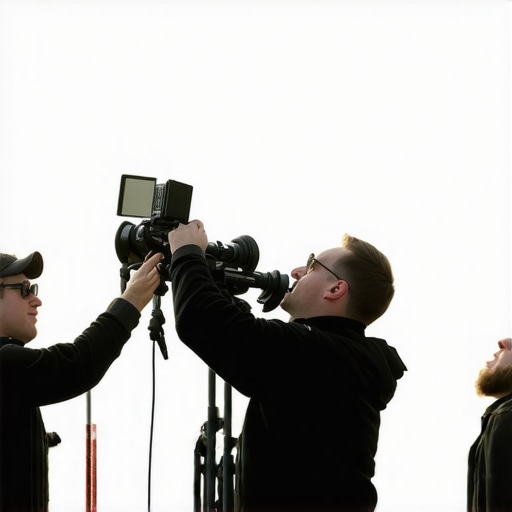
Imagine a boom pole secured with professional-grade clamps, tension cords, counterweights, and natural environment supports—each method layered for maximum stability. This setup drastically reduces risk during high-motion shoots and keeps your audio crisp without frantic adjustments.
Many filmmakers believe that choosing high-end gear automatically guarantees professional results, but the real nuance lies in understanding the limitations and proper usage of each component. For example, a common misconception about cine lenses is that the most expensive glass always produces the best image—however, factors like lens coating, flare control, and color rendition are often underestimated. Selecting lenses without considering your shooting environment or lens characteristics can lead to issues like unwanted flares or color shifts, which could’ve been avoided with a deeper understanding, as explained in this guide to cine lenses. On the projection side, many assume that brighter projectors deliver better picture quality, but in practice, the flicker, color accuracy, and contrast ratio are equally, if not more, important than raw lumens. This misconception can lead to overspending on unnecessary wattage, only to be disappointed with image quality, a trap detailed in this comprehensive projector guide.
Another area often misunderstood is camera support systems. There’s a myth that heavier kits are inherently more stable. In reality, improper weight distribution or insufficient support can cause jitters and micro-movements, especially during handheld or run-and-gun shoots. Learning the nuances of support selection, from fluid heads to shoulder rigs, can significantly enhance shot stability. For these reasons, many professionals recommend studying proper setup techniques, like those shared in this resource on camera supports. Additionally, a sneaky trap lies in the assumption that all projection screens are created equal; some filmmakers underestimate the impact of screen gain and surface texture on image contrast and viewing angles. Choosing the wrong screen type can transform a well-shot scene into a washed-out or overly reflective experience, which is why understanding the technical nuances is crucial, as outlined in this guide on projection screens.Ensuring your film equipment remains in top shape requires more than just occasional cleaning; it involves a systematic approach to maintenance, the use of reliable tools, and understanding future-proof practices. Investing in high-quality tools like precision lens cleaners such as the Eclipse E-5 Lens Cleaning Kit can significantly extend the lifespan of your cine lenses, preventing scratches and fungus growth. I personally rely on sensor cleaning swabs and blower brushes for my cinema cameras, which I use regularly after each shoot to prevent dust buildup that can ruin shots or cause focus issues. Proper maintenance isn’t just about cleaning; it’s about implementing routine checks and calibrations. For example, regularly calibrating your projectors with specialized software like Green Hippo’s Hexence ensures consistent image quality over time. When it comes to long-term results, keeping meticulous logs of maintenance and calibration dates helps preempt equipment failures before they happen. As for scaling your setup, modular tools such as the Tilta Nucleus-M wireless lens control system allow for flexible expansion, whether you’re upgrading to larger rigs or adding advanced lighting control. Looking ahead, automation and intelligent diagnostics will increasingly become part of our workflows, making regular manual maintenance supplemented by smart tools essential. So, how do I maintain my cine lenses over time? I follow a strict schedule that includes using anti-static cloths and avoiding harsh chemicals, referencing expert guidelines like those found in [this comprehensive guide](https://cinegearguide.com/cine-lenses-explained-choosing-the-perfect-glass-for-your-film) to ensure optimal performance. Regularly inspecting and addressing minor issues before they escalate saves money and keeps filming seamless. I urge you to try integrating a dedicated lens maintenance kit into your routine; it’s a small investment that pays dividends in picture clarity and durability. Remember, consistent tool usage and proactive care are your best allies in preserving the quality and longevity of your gear.
The Hardest Lesson I Learned About Boom Support Systems
One time on set, I realized that relying solely on quick-release clamps was a mistake—gadget failure almost caused my microphone to plummet. That experience taught me to always incorporate layered support techniques rather than depend on just one method, highlighting the importance of redundancy in safety measures.
Why Overlooking Weight Distribution Could Cost Your Shoot
I once didn’t balance my boom with enough counterweights, and midway through a scene, it started swinging uncontrollably. That moment underscored how neglecting proper weight distribution leads to micro-movements that compromise audio quality and shot steadiness. Proper balancing is a small step with huge benefits.
Natural Supports That Save Time and Hassle
Using environment elements like doorframes or trees might seem trivial, but I learned that smartly leveraging the surroundings can dramatically improve stability. For example, tying the boom to a sturdy tree branch during an outdoor interview kept the microphone perfectly steady without extra gear, proving resourcefulness can be your best support.
Incorporating Tension Systems for Outdoor Reliability
Attaching bungee cords from the boom to fixed points creates a tension network that absorbs sway—essential during outdoor shoots affected by wind or passing traffic. This layered approach, which I often combine with other supports, ensures consistent audio without constant readjustments, especially when working solo.
Preventing Mishaps with Proactive Maintenance
Regularly inspecting clamps, tightening support joints, and cleaning support gear have saved me from unexpected failures. A proactive routine not only prolongs equipment lifespan but also maintains safety standards, emphasizing that continuous care, much like lens maintenance, is key to reliable filming.
About the Author
James Duke
ThinkOTS
James Duke is a seasoned professional in the creative production industry, bringing a wealth of technical knowledge and hands-on experience to cinegearguide.com. As a key figure at ThinkOTS, James has spent years navigating the complexities of high-end production environments, where selecting the right equipment is the difference between a successful shoot and a logistical failure. His expertise spans the full spectrum of cinematography gear, from advanced camera systems to the intricate accessories that define modern filmmaking. On cinegearguide.com, James leverages his deep understanding of the industry to provide authoritative insights, gear reviews, and technical guides. He is known for his ability to break down complex specifications into practical, actionable advice for filmmakers of all levels. His perspective is rooted in the real-world application of technology, ensuring that every recommendation is backed by professional standards. James is dedicated to empowering the filmmaking community by sharing his expertise, helping others navigate the ever-evolving landscape of cinema technology with confidence and clarity.
LinkedIn Profile